

Selecting trucks requires strategic alignment with business needs. Define use cases, budget, and scale. Compare new vs used, considering cost savings, features, and maintenance. Assess insurance costs and create a checklist based on payload, fuel economy, parts availability, and service providers' reputations. Choose trucks supporting current and future growth in specific segments like pickups, semi-trucks, or specialized configurations. Prioritize safety systems, environmental compliance, and performance metrics for long-haul trucks. Research brands, financing options, and test drives for informed decisions, ensuring a powerful commercial asset.
In today’s market, selecting the right truck is a significant decision for both personal and commercial needs. With a vast array of options available, from pickup trucks to heavy-duty haulers, choosing can be overwhelming. This comprehensive guide aims to navigate you through the process, ensuring you make an informed choice that aligns with your unique requirements. We’ll explore key considerations, such as purpose, budget, features, and brand reputation, to help you select the ideal select truck that offers value, reliability, and performance.
- Define Your Needs: Essential Factors for Select Trucks
- Research Options: Exploring Different Truck Categories
- Evaluate Models: Key Features and Performance Metrics
- Buying Process: Tips for Secure and Smart Acquisition
Define Your Needs: Essential Factors for Select Trucks

Selecting a truck is an important decision, especially when it comes to choosing the right vehicle for your business needs. Before diving into the market, defining your requirements is crucial. This process ensures that you’re matching the right truck with your specific operations, saving time and resources in the long run. A key step in this journey is evaluating whether a new or used semi-truck under 30k is the better choice for your business goals.
Consider factors like intended use, budget, and operational scale. For instance, if you’re starting a local delivery service with limited routes and a compact fleet, a well-maintained used truck could offer significant cost savings compared to purchasing new models. Conversely, expanding businesses requiring larger fleets and more extensive travel might find modern trucks better suited due to their advanced features, fuel efficiency, and longer life spans. Additionally, evaluating the need for specialized configurations or additional equipment, such as refrigeration units, is essential.
Another critical aspect to consider is insurance costs. Commercial vehicle insurance quotes can vary widely based on factors like age, mileage, and usage patterns of your trucks. Used trucks generally have lower initial purchases, but their insurance premiums might be higher due to potential maintenance concerns. Conversely, while new trucks come with warranties, you’ll bear the full cost of ownership from day one, including potential depreciation. Therefore, a thorough assessment of both financial aspects is vital before making a selection.
Expert advice suggests creating a detailed checklist based on your operational needs. Include factors like payload capacity, fuel economy, availability of spare parts and service centers in your region, and the reputation of full-service trucking companies you might partner with. By systematically evaluating these elements, you’ll be well-equipped to choose select trucks that not only meet current requirements but also adapt to future growth, ensuring a robust and efficient transportation network.
Research Options: Exploring Different Truck Categories

When selecting a truck, understanding the diverse categories available is essential for any buyer. The market offers a wide array of options, each tailored to specific needs and applications. From traditional pickup trucks to specialized heavy haulers, knowing your requirements is the first step in making an informed choice. For instance, those involved in construction or agriculture might opt for a durable, high-capacity truck designed for hauling heavy equipment, while long-haul trucking operations will require vehicles engineered for extended drives and fuel efficiency.
Researching different truck categories involves exploring their unique features, capabilities, and operational considerations. Pickups, for example, are versatile workhorses suitable for various tasks, from local deliveries to light construction projects. On the other hand, semi-trucks, with their trailer combinations, are the backbone of long-distance heavy haul trucking, subject to stringent regulations like those governing weight limits and driver hours of service. Understanding these categories is key to navigating the commercial vehicle financing landscape or leasing options, which can significantly impact operational costs.
Delving deeper into specific segments like class 8 trucks, which include semi-trucks and their variants, reveals specialized configurations for different industries. These might include tank trucks for liquid transportation, flatbed trucks ideal for oversized cargo, or refrigerated units designed for perishable goods. Exploring these options allows buyers to align their selection with precise operational needs, ensuring efficiency and safety. Additionally, considering factors like fuel economy, advanced driver assistance systems (ADAS), and environmental compliance can further refine the search, making it easier to select a truck that not only meets current demands but also anticipates future requirements in the dynamic world of commercial trucking.
Evaluate Models: Key Features and Performance Metrics
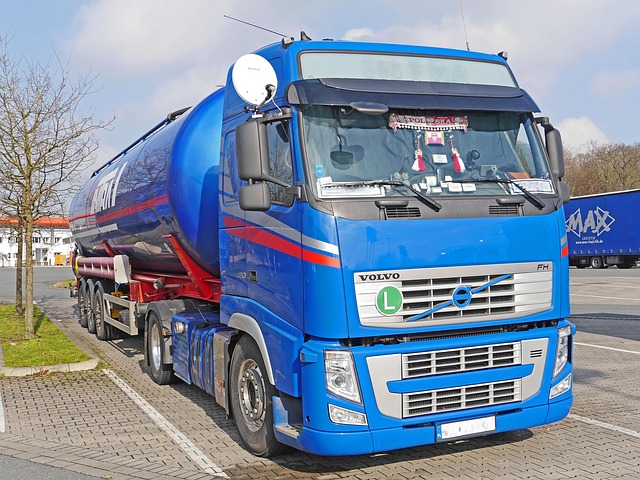
Selecting a truck involves careful consideration of key features and performance metrics. When evaluating models, start by identifying your specific needs—whether for local deliveries or long-haul routes. For instance, best semi trucks for long hauls often prioritize fuel efficiency, engine power, and advanced safety systems like collision avoidance and fleet tracking systems. These technologies not only enhance driver safety but also enable efficient fleet management, crucial for maximizing operational productivity.
Consider performance metrics such as horsepower, torque, and load capacity. High-performance trucks can navigate steep climbs and heavy loads with ease, ensuring timely deliveries. Look into engine types too; modern diesel engines, known for their durability and efficiency, are a popular choice among truckers. Additionally, advanced driver assistance systems (ADAS) like lane departure warnings and adaptive cruise control significantly reduce the risk of accidents, making long-haul drives safer.
Fleet tracking systems play a pivotal role in managing your assets effectively. They provide real-time data on vehicle location, speed, and performance, allowing you to optimize routes, monitor driver behavior, and schedule maintenance proactively. By integrating these systems into your selection process, you not only choose the best truck for your operations but also lay the foundation for efficient fleet management practices. Remember, partnering with reputable truck driver recruitment agencies can facilitate finding skilled professionals who understand the ins and outs of long-haul trucking, ensuring a seamless ride towards success.
Buying Process: Tips for Secure and Smart Acquisition

When navigating the select trucks buying guide, especially for commercial purposes, a strategic approach is essential to ensure you make a smart and secure acquisition. The process involves careful consideration of your specific needs, budget, and market trends. A top-tier truck, whether for hauling cargo or transporting passengers, can significantly impact your business’s bottom line, so thorough research is key.
Start by identifying your requirements. Are you in need of a rugged workhorse for off-road tasks or a refined highway-ready truck for long-distance hauls? Select trucks tailored to these roles offer unique advantages. For instance, brands like Ford and Ram are renowned for their durable pickup trucks, while others excel in medium-duty commercial vehicles. Researching top truck brands for durability ensures you’re investing in a reliable work partner.
Consider the financial aspect, too. Commercial vehicle financing rates vary, and understanding these can make a substantial difference in your long-term costs. Explore options to find affordable rates that align with your budget. Many dealers offer competitive leasing plans or loan packages, allowing you to choose what suits your cash flow best. For example, a well-equipped highway-ready truck from a respected brand like Chevrolet or GMC could be within reach through strategic financing, enabling your business to stay agile and efficient on the open road.
Finally, don’t overlook the importance of testing drive and inspection. Physically interacting with the vehicle reveals nuances that photos cannot capture. Ensure the select trucks you’re considering meet your performance and comfort standards. A thorough pre-purchase inspection by a trusted mechanic can also uncover potential issues, safeguarding your investment. Remember, making an informed decision is the cornerstone of a successful acquisition, ensuring your fleet remains a powerful asset.
Selecting the right truck is a significant decision that requires careful consideration of your specific needs. By defining your requirements and exploring diverse truck categories, you can narrow down options effectively. Evaluate models based on key features and performance metrics to find the best fit. The buying process demands strategic approaches, such as thoroughly researching reputable dealers and leveraging online resources. Following these guidelines ensures a secure and smart acquisition of select trucks tailored to your needs, offering both reliability and value in this competitive market.