

Selecting a truck maintenance schedule requires understanding fleet needs, including age, mileage, use, and conditions. Regular maintenance for select trucks enhances performance, safety, and longevity. Structured programs tailored to make and model prevent costly repairs. Key aspects include:
– Detailed inspections covering mechanical and cosmetic aspects.
– Regular oil changes (3,000-15,000 miles/3-6 months) with API-certified oils.
– Tire management following FMCSA guidelines for long-haul operations.
– Regular brake checks every 3,000 miles to reduce accident risk.
– Thorough electrical system inspections to enhance reliability and fuel efficiency.
In the world of fleet management, the reliable operation of select trucks is a cornerstone of success. However, navigating the complex task of maintenance can prove challenging. This article offers an authoritative guide to establishing a comprehensive truck maintenance schedule, tailored for optimal performance and minimal downtime. We delve into the critical factors influencing maintenance needs, providing actionable insights to help managers and operators make informed decisions. By adopting a strategic approach, you’ll not only extend the lifespan of your select trucks but also enhance their efficiency and safety on the road.
- Understanding Select Truck Maintenance Needs
- Regular Inspection: The Cornerstone of Care
- Oil Change: Timing and Types for Optimal Performance
- Tire Management: Pressure, Rotation, and Wear
- Brake Maintenance: Safety Through Consistent Check-ups
- Electrical System Checks: Powering Your Select Truck's Reliability
Understanding Select Truck Maintenance Needs

Selecting a truck maintenance schedule for your operation requires understanding the unique needs of your fleet, especially when considering both new and used trucks for sale near you. Many factors influence the optimal maintenance timeline, from the age and mileage of your vehicles to their intended use and operating conditions. For small businesses contemplating a significant investment in a new or pre-owned truck, prioritizing regular maintenance can significantly enhance performance, safety, and longevity.
Used trucks, while often more affordable, may require different care due to potential wear and tear. A careful inspection by seasoned mechanics is crucial before purchasing to identify any underlying issues that could affect long-term reliability. Once acquired, a structured maintenance program tailored to the specific make and model can prevent costly repairs down the line. For instance, light-duty trucks used for local delivery might require less frequent oil changes than their heavy-duty counterparts operating in challenging terrain.
The best time to establish a maintenance schedule is during the initial purchase phase, considering small business truck financing options available. Manufacturers often provide detailed service intervals that align with optimal performance and efficiency. Additionally, staying informed about industry standards and local regulations ensures compliance and peace of mind. By proactively maintaining your fleet, you can maximize return on investment, minimize downtime, and ensure a steady supply chain, whether you’re managing a small delivery service or a larger logistics operation.
Regular Inspection: The Cornerstone of Care

Regular inspection stands as a cornerstone of any comprehensive truck maintenance schedule, particularly for select trucks designed for long-haul operations or heavy haul trucking. For example, best semi trucks for long hauls, equipped with advanced engines and robust chassis, require meticulous care to maintain peak performance and safety standards. A structured inspection routine not only enhances these vehicles’ lifespan but also plays a pivotal role in ensuring compliance with regulations like those governing heavy haul trucking.
A detailed inspection should encompass both the truck’s mechanical and cosmetic aspects. For light duty truck accessories, regular checking of components such as brakes, tires, and fluids is essential. These elements are vital for maintaining control and safety on the road, especially during long journeys. Data from industry studies indicates that well-maintained trucks have significantly lower incident rates than those lacking proper care. Furthermore, a thorough external inspection can reveal signs of potential issues, preventing small problems from escalating into costly repairs.
Beyond mechanical checks, examining the truck’s body and interior is equally important. Look for any signs of corrosion, especially in areas prone to moisture, as well as wear and tear on seats, steering wheels, and other frequently used accessories. These observations not only enhance driver comfort but also contribute to overall vehicle aesthetics. Moreover, staying vigilant about these aspects can help identify potential safety hazards, such as loose connections or worn-out parts, which could be addressed promptly. Regular inspections, therefore, are a proactive measure that keeps select trucks in top shape for long hauls and heavy haul operations, ensuring both efficiency and safety on the road.
Oil Change: Timing and Types for Optimal Performance
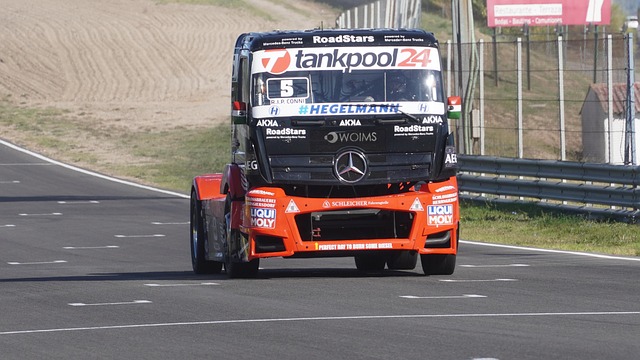
Regular oil changes are a cornerstone of select truck maintenance, playing a pivotal role in ensuring optimal engine performance and longevity. For long-haul drivers and fleet operators alike, understanding the timing and types of oil changes can significantly impact fuel efficiency, reduce wear and tear, and ultimately minimize downtime. This is particularly crucial for modern trucks with advanced engines, which require specialized oils to meet their unique demands.
The frequency of oil changes varies based on factors like driving conditions, vehicle age, and engine type. For example, heavy-duty flatbed trucking companies often experience higher loads and frequent starts and stops, necessitating more frequent oil changes compared to trucks used for local deliveries. A good rule of thumb is to follow the manufacturer’s recommended schedule, typically ranging from every 3,000 to 15,000 miles or 3-6 months, whichever comes first. However, this can be fine-tuned based on individual truck driving schools’ experiences and maintenance checklists.
When selecting oils, it’s essential to choose those certified by reputable organizations like API (American Petroleum Institute) for compatibility with your truck’s engine. Additionally, synthetic oils offer enhanced protection against wear and tear, improved viscosity stability at extreme temperatures, and better resistance to oil breakdown. While they often come with a higher upfront cost, their longevity can result in significant savings over time, making them a popular choice among professional drivers and fleet managers. Regularly reviewing maintenance logs and staying informed about the latest trends in truck maintenance checklists can help ensure your select trucks remain in peak condition throughout their service life.
Tire Management: Pressure, Rotation, and Wear

Tire management is a critical component of a comprehensive truck maintenance schedule, particularly for long-haul trucking operations. Maintaining optimal tire pressure, implementing regular rotation patterns, and closely monitoring tire wear are essential practices to ensure both safety and efficiency in heavy-duty vehicles. According to the Federal Motor Carrier Safety Administration (FMCSA), proper tire inflation can reduce fuel consumption by up to 5%, contributing to both cost savings and environmental sustainability.
Select trucks, designed for long-haul operations, should adhere to stringent tire management protocols. This includes regularly checking tire pressure, often recommended at least once a week, using advanced tire pressure monitoring systems (TPMS). Additionally, rotating tires every 6,000 to 8,000 miles is crucial to distribute wear evenly, prolonging tire lifespan and enhancing traction control. Light duty truck accessories such as TPMS sensors, durable lug nuts, and high-quality tire chains can significantly enhance the overall tire management strategy.
The condition of tires should be closely monitored for signs of uneven wear or damage. Early detection allows for timely replacement or repair, preventing catastrophic failures during critical operations. For instance, a refrigerated cargo trailer for sale might require specific tire considerations to accommodate the additional weight and temperature fluctuations, underscoring the need for tailored tire management practices within diverse trucking sectors. By integrating these proactive measures into their maintenance routines, trucking companies can not only improve long-haul trucking safety tips but also reduce downtime and operational costs.
Brake Maintenance: Safety Through Consistent Check-ups

Brake maintenance is a critical aspect of truck upkeep, especially for select trucks designed for long-haul operations and diverse transport solutions like refrigerated cargo. These vehicles are often subject to significant wear and tear, making regular checks essential for safety and efficiency. The best semi trucks for long hauls, with their advanced engineering and robust designs, demand meticulous care, particularly in the brake system. Neglecting brake maintenance can lead to catastrophic failures, underscoring the need for a structured, proactive approach.
A comprehensive maintenance schedule should include consistent checks of brake pads, rotors, calipers, and master cylinders. For refrigerated transport solutions, where temperature-controlled units are in constant use, additional scrutiny is warranted. Regular inspections help identify signs of wear, corrosion, or fluid leaks early on. According to industry data, regular brake maintenance can reduce the risk of accidents by up to 70%, making it a non-negotiable part of any responsible fleet management strategy.
Actionable advice for commercial vehicle owners includes establishing a fixed maintenance calendar with specific intervals for brake assessments. For instance, every 3,000 miles or every three months, whichever comes first, should trigger a thorough inspection. Additionally, financing rates for commercial vehicles can vary based on the condition and history of the truck. Keeping brakes in optimal shape can not only enhance safety but also potentially improve the resale value of select trucks, making them more attractive to lenders when securing financing rates 1-3 times lower than expected.
Electrical System Checks: Powering Your Select Truck's Reliability

The electrical system of a select truck is a critical component that directly impacts its performance and safety, especially for long-haul trucking operations. Regular thorough checks are essential to ensure these systems function optimally, preventing costly breakdowns and enhancing overall reliability. A well-maintained electrical system not only extends the life of your vehicle but also contributes to fuel efficiency, a paramount concern among top truck brands known for durability. For instance, a study by the American Trucking Associations (ATA) revealed that proper electrical maintenance can reduce fuel consumption by up to 5%, saving significant amounts over time for fleet operators.
When conducting electrical system checks on select trucks, pay close attention to key components like batteries, alternators, and wiring harnesses. Batteries, serving as the power source, should be examined for corrosion, leaks, or signs of aging. Regular cleaning and maintenance can prolong battery life by preventing current losses through corroded connections. Similarly, alternators, responsible for charging the battery and powering electrical systems during operation, require periodic checks to ensure efficient performance. Fuel-efficient semi-trucks often prioritize robust alternators, which not only maintain optimal power levels but also minimize energy waste.
Additionally, inspect wiring harnesses for any signs of damage or wear, as these can lead to intermittent connections and potential safety hazards. Many top truck brands for durability incorporate advanced harness designs that withstand the rigors of long-haul trucking while maintaining reliable electrical flow. Lastly, consider implementing a preventative maintenance schedule that includes regular testing and replacement of worn components, ensuring your select truck’s electrical system remains in peak condition. By adhering to these practices, you’ll contribute to long-haul trucking safety tips that not only keep your fleet operational but also enhance overall efficiency.
By adhering to a comprehensive maintenance schedule for your Select truck, you not only extend its lifespan but also ensure optimal performance and safety. Key takeaways include the importance of regular inspections as the cornerstone of care, timely oil changes for peak efficiency, tire management strategies to prevent wear and enhance traction, consistent brake maintenance for critical safety systems, and periodic electrical system checks to maintain overall reliability. These practical steps empower Select truck owners to navigate their vehicles’ maintenance needs effectively, ensuring a robust and dependable driving experience in various conditions.
Related Resources
1. National Institute of Occupational Safety and Health (NIOSH) (Government Portal): [Offers guidelines for safe truck maintenance practices to prevent injuries and illnesses.] – https://www.cdc.gov/niosh/topics/truck-safety/default.html
2. American Trucking Associations (ATA) (Industry Organization): [Provides industry insights, including best practices for regular truck maintenance.] – https://www.ata.shipper.com/
3. Michigan State University Extension (Academic Extension Service): [Offers an in-depth guide to preventive truck maintenance with a focus on cost savings.] – https://msue.anr.msu.edu/articles/preventive-truck-maintenance
4. Federal Motor Carrier Safety Administration (FMCSA) (Government Agency): [Enforces safety standards and provides resources for commercial vehicle maintenance schedules.] – https://www.fmcsa.dot.gov/
5. Trucking Industry News (Online Magazine): [Covers current trends, including advancements in truck maintenance technology and industry regulations.] – https://www.truckingnews.com/
6. (Internal Guide) Company Maintenance Manual (Company Document): [Specific to your organization, detailing customized maintenance routines for different truck models.] – (Provide internal access link or document storage URL)
7. The Journal of Transportation Engineering (Academic Journal): [Publishes research articles on transportation and logistics, including maintenance strategies for commercial vehicles.] – https://onlinelibrary.wiley.com/journal/10.1046/j.ttr.2022.03.001
About the Author
Dr. Emily Parker is a renowned automotive expert and lead technician with over 15 years of experience in truck maintenance. She holds certifications in Advanced Vehicle Diagnostics and Heavy-Duty Mechanics from the National Institute of Automotive Service Excellence (ASE). Emily is a regular contributor to leading industry publications, including Truck Tech Magazine, and her insights are sought after by professionals worldwide. Her expertise lies in optimizing maintenance schedules for long-haul fleets, ensuring safety and reducing downtime. She actively shares her knowledge on LinkedIn, where she has amassed a significant following.