
Selecting truck insurance requires a strategic approach tailored to vehicle type, purpose, fleet size, driving history, and future goals. Key considerations include coverage types (e.g., liability, collision), risk management, multiple quotes, fleet tracking systems, regular servicing, and assessing insurers' reputations. Tailoring policies based on specific operation profiles ensures comprehensive protection at competitive rates, protecting investments from accidents, theft, and disasters.
Selecting the right truck insurance is a critical step for any fleet manager or owner, as it safeguards against significant financial losses and ensures operational continuity. However, navigating the complex web of policies and providers can be daunting, with varying coverage options, deductibles, and pricing structures. This article provides an authoritative guide to help you make informed choices by demystifying the selection process. We’ll explore key factors influencing quotes, compare different types of coverage, and offer strategic insights to naturally select the most suitable truck insurance that aligns with your business needs and risk profile.
- Understand Your Truck Insurance Needs
- Research Different Types of Coverage
- Get Multiple Quotes from Insurers
- Compare and Choose the Best Policy
Understand Your Truck Insurance Needs

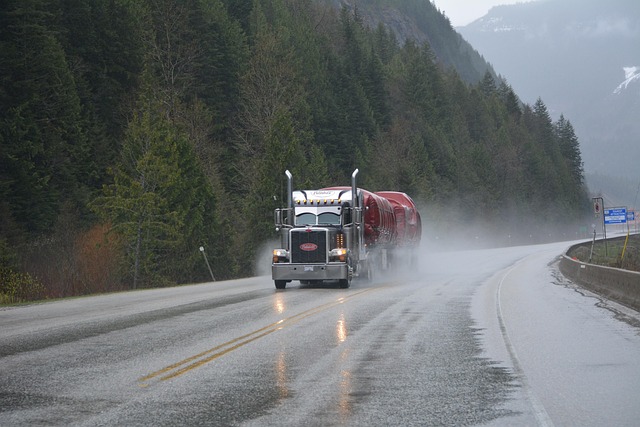
Selecting the right truck insurance is a crucial step for any commercial trucking operation or independent operator. Understanding your specific insurance needs goes beyond simply meeting legal requirements; it involves recognizing the unique risks associated with different types of trucks and their intended purposes. For instance, a small delivery van faces distinct challenges from a massive semi-truck designed for long-haul transportation, such as those offered by top truck brands renowned for durability like Freightliner and Kenworth.
Truck drivers navigating today’s highways often cover vast distances, which demands vehicles built for endurance—the best semi trucks for long hauls are typically equipped with advanced safety features, powerful engines, and robust construction to handle the rigors of continuous operation. This specialized nature of these vehicles necessitates tailored insurance policies that account for factors like cargo value, vehicle condition, and operational risks. For example, a driver recruited through one of the leading truck driver recruitment agencies might find their insurance needs differ significantly from an owner-operator managing a single light-duty truck.
When selecting truck insurance, consider your fleet composition, driving history, and future goals. If you’re expanding into long-haul operations, partner with insurers who specialize in heavy-duty vehicles and understand the intricacies of fuel efficiency, load securement, and regulatory compliance. Conversely, a local delivery service might prioritize coverage that protects against higher risks of property damage and liability associated with navigating busy city streets. Moreover, leveraging data on accident rates and claims history for specific truck models can help tailor policies to align with your operation’s unique profile, ultimately ensuring comprehensive protection at competitive rates.
Research Different Types of Coverage
When selecting truck insurance quotes, understanding different types of coverage is crucial for protecting your investment and ensuring you’re adequately protected on the highway. For those involved in trucking, whether through owning highway ready trucks for sale or operating as a flatbed trucking company, having the right coverage can make all the difference. Comprehensive insurance plans typically include liability coverage, which protects against damages to other vehicles and properties, and collision coverage, designed to cover repairs for your truck in case of accidents. Additionally, certain policies may offer protection against theft, natural disasters, and roadside assistance, providing a safety net for unexpected events.
For instance, if you’re considering renting an 18 wheeler for a specific project, it’s essential to explore options that align with the duration and scope of your needs. Short-term rental insurance might offer basic coverage, but long-term policies could include more comprehensive protections, such as maintenance and repair guarantees, which can save costs in the long run. Moreover, understanding the differences between various types of trucking companies—from owner-operators to large fleets—helps tailor insurance plans to fit unique operational needs, ensuring optimal risk management.
Researching coverage options is a strategic move for any trucker. It involves evaluating the specific risks associated with your operation, whether you’re transporting goods across states or focusing on local flatbed trucking. Data suggests that a well-selected insurance policy can significantly reduce financial burdens related to accidents, theft, and natural disasters, fostering stability in an unpredictable industry. To navigate this process effectively, consider consulting with insurance professionals who specialize in trucking to gain insights tailored to your specific needs.
Get Multiple Quotes from Insurers
Selecting the right truck insurance is a critical step for any business owner or individual looking to protect their investment. One often overlooked yet powerful strategy in this process is to get multiple quotes from insurers. This simple action can yield significant savings and ensure you find the best coverage for your needs. By comparing offers, you gain valuable insights into market rates, policy options, and potential discounts, all of which contribute to making an informed decision.
In today’s competitive insurance landscape, many providers offer specialized policies tailored to different types of vehicles, including select trucks. For instance, fleet tracking systems have become integral in managing and monitoring commercial fleets, leading some insurers to provide discounted rates for policyholders who implement such technology. Additionally, the market for second-hand trucks for sale online and used trucks near local dealerships offers a wide variety of choices, but it’s essential to consider the associated risks and ensure adequate coverage before making any purchases.
To make the most of this process, truck owners should start by gathering detailed information about their vehicles and driving history. This includes specifications of the select trucks, business use details, and any existing claims or violations. Armed with these data points, it becomes easier to request quotes from multiple insurers who specialize in commercial vehicle coverage. Online platforms facilitating such requests can save valuable time, allowing individuals to compare offers side by side without the hassle of numerous phone calls or in-person visits.
Compare and Choose the Best Policy
Selecting truck insurance involves a strategic approach to ensure comprehensive protection for your valuable assets. The process demands careful comparison of policy offerings from various providers. Focus on understanding the coverage details, deductibles, and exclusions. Remember, each policy is tailored to different needs, so aligning your requirements with the policy benefits is key. For instance, if you manage a fleet of trucks, consider policies offering discounts for multiple vehicles, which can significantly impact savings over time.
When comparing quotes, factor in the reputation of insurance companies and their claims settlement track record. A strong claims handling history indicates a reliable insurer. Additionally, evaluating the scope of coverage is vital. Does the policy cover both personal injury liability and cargo damage? For long-haul trucking businesses, opting for policies with higher limits ensures adequate protection against potential risks associated with extended journeys. Integrating fleet tracking systems into your operations can also be beneficial, as it enhances safety and recovery possibilities in the event of theft or accident.
Heavy-duty truck maintenance plays a crucial role in risk mitigation. Well-maintained trucks reduce the likelihood of breakdowns during long-distance transport, ensuring timely deliveries and minimizing damage claims. Regular servicing and adherence to manufacturer recommendations can extend vehicle lifespans. For instance, keeping detailed records of service intervals and using genuine spare parts can help avoid costly repairs. Moreover, considering the financial health of insurance providers is essential; check their credit ratings to ensure stability, especially for long-term policy commitments.
By understanding your specific truck insurance needs, researching various coverage types, and collecting multiple quotes from reputable insurers, you can make an informed decision when selecting the best policy for your select trucks. The process involves careful comparison to ensure the chosen policy aligns with your requirements while offering optimal protection and value. This strategic approach empowers you to navigate the market effectively, securing comprehensive coverage tailored to your unique needs.