
Selecting optimal truck parts involves a strategic approach tailored to operational needs, encompassing fuel efficiency, compatibility, and quality. For fleet operations, "select trucks naturally" by favoring durable brands like Ford, Chevrolet, and Dodge. Maintain performance through regular maintenance checklists, digital tools, and proactive strategies. Long-distance trucking requires price comparisons, evaluating supplier reputations, and identifying specific needs. Complex fleet compositions necessitate part compatibility checks and standardized procurement. Efficient installation enhances operational effectiveness by prioritizing durability, modular designs, and digital tools for swift ordering.
In the fast-paced world of trucking, efficient maintenance and timely part replacements are paramount to staying on the road. The challenge lies in selecting the right parts quickly, especially for those navigating a sea of options. This article delves into the streamlined process of ordering select truck parts, offering a comprehensive guide for professionals and enthusiasts alike. By employing strategic methods, we’ll explore how to identify authentic, high-quality components, ensuring your fleet’s or vehicle’s optimal performance. Let’s uncover the secrets to natural selection in the world of truck parts, where efficiency meets expertise.
- Understand Your Truck's Needs Before You Select
- Research Trusted Sources for Quality Parts
- Compare Prices and Reviews: A Smart Strategy
- Verify Fitment: Ensuring Compatibility is Key
- Order Online or Visit a Local Auto Store
- Efficient Installation: Maximize Time and Savings
Understand Your Truck's Needs Before You Select

Selecting truck parts requires a deep understanding of your vehicle’s unique needs. Before diving into the vast array of options available, it’s crucial to assess your specific requirements, especially for those operating in dynamic sectors like small business delivery services or refrigerated transport solutions.
Fuel efficiency is a significant consideration when choosing parts, particularly for semi-trucks. Modern, advanced technologies offer improved mileage and reduced emissions, translating to substantial cost savings over time. For instance, implementing fuel-efficient driving practices and utilizing parts designed for optimized aerodynamics can lower fuel consumption by up to 20% (Source: American Trucking Associations). This is not only beneficial for large fleet operations but also small businesses looking to streamline their delivery services while minimizing operational costs.
Moreover, the choice of parts should align with your truck’s make and model, ensuring compatibility and longevity. Consider the example of a business relying on refrigerated transport solutions; the replacement parts selected must withstand rigorous conditions while maintaining temperature control effectiveness. Investing in high-quality, manufacturer-recommended parts can extend the lifespan of these critical systems, minimizing downtime and enhancing operational reliability.
When selecting components for your fleet, whether it’s for small business delivery or specialized refrigerated transport, a strategic approach is key. Evaluate your specific needs, consider fuel efficiency advancements, ensure compatibility, and trust reputable sources to deliver top-tier parts that power your operations seamlessly.
Research Trusted Sources for Quality Parts
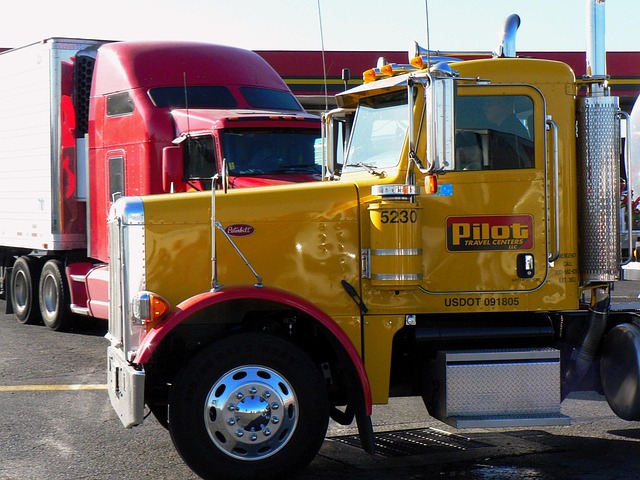
When it comes to selecting truck parts for your fleet or personal vehicle, researching trusted sources is paramount. The market offers a vast array of options, from specialized dealers to online marketplaces, but distinguishing between quality and quantity is essential. One efficient strategy is to select trucks naturally by prioritizing well-regarded brands known for their durability and reliability. For instance, long-standing manufacturers like Ford, Chevrolet, and Dodge have established reputations, making it easier to source authentic parts.
Online platforms, such as Craigslist, can be a double-edged sword when searching for semis for sale. While legitimate listings exist, caution is advised due to the potential for counterfeit or incompatible parts. Reputable dealers and manufacturers’ websites provide a safer alternative, ensuring you acquire genuine, application-specific components. Additionally, leveraging small business delivery services can streamline the procurement process, especially for specialized or rare parts. These local enterprises often possess intimate knowledge of the market, facilitating timely deliveries.
Regular maintenance is key to extending the lifespan of your trucks. Implementing truck maintenance checklists at predefined intervals not only prevents breakdowns but also ensures optimal performance. Checklists should encompass engine oil and filter changes, brake inspections, tire rotations, and fluid top-ups. Digital tools and apps can automate these tasks, sending reminders and tracking service histories. By staying proactive with maintenance, you can reduce downtime and prolong the life of your vehicles, ultimately saving on replacement costs.
Compare Prices and Reviews: A Smart Strategy

When selecting truck parts for your fleet, comparing prices and reviews is a strategic move that can significantly impact your bottom line and overall satisfaction. This approach allows you to make informed decisions about which components are best suited for your vehicles, especially when dealing with long-distance trucking companies relying on reliable semi trucks for hauls across vast distances.
Start by identifying the specific needs of your select trucks based on their purpose and usage patterns. For instance, if you operate a fleet specializing in long-haul transportation, prioritizing durable parts designed for heavy-duty applications is essential. Researching best semi trucks for long hauls can provide insights into components that have proven their worth under such demanding conditions. Online reviews from fellow trucking professionals offer valuable firsthand accounts of part performance and longevity.
Price comparison should go beyond simply seeking the lowest cost. Evaluate supplier reputations, warranty coverage, and after-sales support to ensure value for money. For specialized parts like engines or transmissions, understanding compatibility with your select trucks is crucial. Reputable suppliers often provide detailed specifications and compatibility charts, making it easier to choose the right part for your specific models. This meticulous approach not only enhances the performance and reliability of your long-distance trucking companies’ vehicles but also fosters a culture of strategic procurement within your organization.
Verify Fitment: Ensuring Compatibility is Key

Selecting truck parts for optimal performance involves a critical step: verifying fitment to ensure compatibility. This process is paramount when dealing with diverse fleet compositions, including fuel-efficient semi-trucks and 18-wheeler rental services. Every component, from engines to axles, must harmoniously integrate to maximize efficiency, safety, and durability. For instance, fitting a high-mileage, eco-friendly engine into a vintage truck chassis could prove challenging, leading to poor performance or mechanical issues.
When navigating the market for parts, consider the age, make, and model of your trucks. Reputable dealers offer used semi-trucks under 30k as cost-effective solutions, but ensuring their compatibility with existing systems is crucial. Cross-referencing part numbers and specifications against your vehicle’s data can save time and money, preventing mispurchases or costly installations. For instance, a simple mismatch in brake caliper size can halt operations until the correct parts are sourced.
For 18-wheeler rental services managing diverse fleets, implementing a rigorous verification process becomes even more vital. Standardizing on specific manufacturers or part lines can streamline the procurement and maintenance processes. Additionally, leveraging digital tools for part tracking and inventory management enables proactive selection, ensuring that only compatible, high-quality parts reach your fleet. This data-driven approach not only enhances operational efficiency but also contributes to the longevity of your semi-trucks, whether new or used.
Order Online or Visit a Local Auto Store

Selecting truck parts for efficient maintenance and swift repairs is a crucial aspect of owning a commercial vehicle. One of the most direct methods to accomplish this is by choosing between ordering online or visiting a local auto store. The former offers unparalleled convenience, allowing business owners to access extensive catalogs from the comfort of their offices. Online platforms provide detailed product descriptions, customer reviews, and easy filtering options based on vehicle make, model, and year, ensuring buyers select the correct parts for their specific needs—whether it’s replacing worn-out brakes or upgrading engine components.
However, some advantages lie with traditional auto stores. Local retailers often have knowledgeable staff who can offer personalized advice, especially when dealing with complex repairs that require specialized knowledge. For instance, small business delivery vehicles might need tailored solutions for cargo space optimization and fuel efficiency—areas where an expert’s guidance can be invaluable. Additionally, these stores facilitate immediate access to parts, which can be critical in urgent maintenance scenarios. Many local shops also offer same-day or next-day delivery services, ensuring truck owners get back on the road promptly.
When considering specific types of vehicles and components, such as refrigerated cargo trailers for sale, online platforms excel through their vast selection and the ability to compare prices from multiple sellers. This approach allows buyers to make informed decisions based on both quality and cost-effectiveness. Conversely, local stores often have physical displays, enabling customers to inspect parts firsthand, which can be essential when selecting high-quality components, especially for critical systems like cooling and refrigeration units. Ultimately, the choice between online ordering and in-store visits should align with individual preferences, business needs, and the complexity of the required truck maintenance checklists.
Efficient Installation: Maximize Time and Savings

Efficient installation of truck parts is a critical aspect of maintaining optimal performance and reducing downtime for fleet operators. When selecting parts, prioritizing efficiency means not just choosing high-quality components but also considering how they integrate into your existing truck maintenance routine. One proven strategy is to select trucks that are known for their durability and reliability, such as top truck brands recognized in the industry for their robust construction. This foundational step sets the stage for streamlined maintenance and easier part replacements down the line.
For instance, regular maintenance checklists tailored to specific truck models can significantly enhance installation efficiency. By adhering to these checklists, operators can predict and proactively address potential issues before they escalate, minimizing unexpected breakdowns. Additionally, staying true to recommended service intervals ensures that parts remain in top condition, simplifying replacement processes when necessary. When it comes to select trucks, considering models with modular designs further facilitates maintenance. These designs often mean easier access to replaceable components, reducing installation time and labor costs.
Furthermore, leveraging digital tools for part identification and ordering can save valuable time. Many reputable truck manufacturers now offer online platforms where operators can easily search for parts, compare options, and place orders directly. This streamlined approach eliminates the back-and-forth of traditional ordering methods, enabling quicker turnaround times and ensuring that the right parts reach your fleet promptly. Whether you’re selecting trucks for the first time or looking to optimize your existing fleet, prioritizing efficient installation should be a cornerstone of your strategy.
Selecting truck parts efficiently involves a strategic approach. First, thoroughly understand your truck’s unique needs. Research trusted sources for guaranteed quality, as this prevents costly mistakes. Compare prices and read reviews to make informed decisions. Verifying fitment is crucial; ensure the parts are compatible with your truck model to avoid compatibility issues. You can conveniently order online or visit local auto stores. Efficient installation techniques maximize time and savings, highlighting the importance of proper preparation and skilled labor. By following these steps, you’ll naturally select the right truck parts, ensuring optimal performance and longevity for your vehicle.