

Select trucks, characterized by versatility and durability, require consideration of key components: powerful engines with advanced emission technologies (e.g., Cummins, Detroit Diesel), efficient transmissions (automatic for long-distance, manual for heavy haul), robust braking systems, and sturdy chassis. Advanced suspension systems enhance performance and cargo-carrying capacity.
Choosing the right engine involves balancing fuel efficiency, durability, and regulatory compliance, while considering new or used options. Transmission types cater to specific trucking needs, with advancements like automated manual transmissions (AMTs) and electric/hybrid systems.
Tire selection and suspension systems are vital for safety, performance, and cost-efficiency in select trucks. Advanced safety systems, telematics, and proactive maintenance enhance operational efficiency and vehicle longevity. Regular service records support claims, boost resale value, and minimize downtime.
In the dynamic landscape of trucking, efficient operations hinge on selecting the right parts. The sheer variety and complexity of truck components can make this task daunting, especially for fleet managers and owners navigating a sea of options. This article explores the critical aspect of choosing high-quality, compatible parts for Select trucks, offering an authoritative guide to ensure informed decisions. We delve into the challenges, from identifying genuine parts to understanding technical specifications, providing practical insights to streamline your selection process and enhance vehicle performance naturally.
- Understanding Your Select Truck's Basic Components
- Choosing the Right Engine for Optimal Performance
- Exploring Different Types of Transmission Options
- Essential Tires and Suspension Systems for Select Trucks
- Advanced Features and Safety Systems in Modern Select Trucks
- Maintenance Tips and Common Wear Parts to Consider
Understanding Your Select Truck's Basic Components

Select trucks, known for their versatility and durability, form a vital component of modern commercial fleets. Understanding the basic components of these vehicles is crucial for optimal performance, maintenance, and even navigating small business truck financing options. When considering a select truck purchase, whether through traditional lenders or exploring commercial vehicle financing rates, recognizing key parts can empower buyers to make informed decisions.
The engine, heart of any select truck, drives both its power and efficiency. Advanced engines incorporate technologies like diesel particulate filters (DPF) and selective catalytic reduction (SCR) to meet stringent emission standards while maintaining robust performance. Transmissions, whether manual or automated, facilitate smooth shifting, ensuring drivers can effortlessly maneuver in various driving conditions.
Braking systems are critical for safety, with anti-lock braking systems (ABS) preventing wheel lockup during hard stops and electronic stability control (ESC) enhancing maneuverability by detecting and reducing skid potential. The chassis, supporting the entire structure, must withstand heavy loads while maintaining stability. Select trucks often feature advanced suspension systems that balance comfort with cargo carrying capacity, crucial for businesses transporting diverse goods.
Financial considerations, such as commercial vehicle financing rates, should be evaluated alongside these technical aspects. Small business owners can leverage specialized lenders offering tailored truck financing options to acquire the most suitable select trucks for their operations. By understanding the interplay between components and financial options, operators can maximize the return on investment, ensuring their select trucks remain reliable assets for years to come.
Choosing the Right Engine for Optimal Performance

Choosing the right engine is a critical component of selecting a truck for optimal performance, especially when considering the demands of long-haul or heavy haul trucking. In the realm of select trucks, understanding the nuances of various engines allows operators to make informed decisions that can translate into fuel efficiency, durability, and overall productivity. For instance, semi trucks designed for long hauls often prioritize powerful yet fuel-efficient engines, such as those produced by leading manufacturers like Cummins and Detroit Diesel. These engines are built to withstand continuous operation over vast distances, with advanced technologies like electronic control systems and advanced combustion chambers enhancing both power and economy.
When navigating the market for heavy haul trucking, it’s essential to consider not just the engine’s specifications but also regulatory compliance. The Environmental Protection Agency (EPA) and other bodies set standards for emissions and fuel efficiency, which can significantly impact the choice of engine. For example, modern diesel engines often incorporate Selective Catalytic Reduction (SCR) technology to reduce nitrogen oxides, a requirement under strict heavy haul trucking regulations. This not only ensures environmental compliance but also contributes to longer engine life and reduced maintenance costs over time.
While new trucks offer the latest technologies and warranty support, many experts advocate for carefully evaluating second-hand options available online. Sites dedicated to truck sales provide a wealth of information, allowing buyers to compare engines based on performance, reliability, and cost. According to industry data, well-maintained used trucks can often deliver comparable performance at a fraction of the cost, making them an attractive choice for operators looking to balance their budget with quality. When purchasing second-hand, thorough inspection and consultation with experienced mechanics are crucial to identify any potential issues or necessary repairs.
In conclusion, selecting the right engine involves a careful interplay between power, efficiency, regulatory requirements, and cost. Whether focusing on best semi trucks for long hauls or navigating heavy haul trucking regulations, operators can maximize their investment by aligning engine choice with their specific operational needs. Through diligent research and expert guidance, they can make informed decisions that contribute to the overall success and longevity of their trucking operations.
Exploring Different Types of Transmission Options

When selecting truck parts, one of the most crucial considerations is choosing the right transmission for your fleet. Transmissions play a pivotal role in the performance, efficiency, and longevity of heavy-duty trucks, especially in the context of diverse operational demands. Select trucks with transmissions designed to handle specific tasks can significantly enhance productivity and reduce downtime. For instance, long-distance trucking companies often opt for advanced automatic transmissions that offer smooth shifting and improved fuel economy during cross-country hauls. Conversely, those engaged in heavy haul trucking may require robust manual transmissions capable of handling the extra weight and power required for specialized equipment.
The transmission landscape is vast, offering options tailored to various driving styles and conditions. Modern advancements include automated manual transmissions (AMTs) that merge the best of both worlds—smooth shifting like automatics with the driver control of manuals. These are particularly appealing to truck drivers recruited by specialized hauling agencies, as they provide enhanced maneuverability and efficiency in congested urban environments. Furthermore, the rise of electric and hybrid transmissions adds another layer of sustainability and cost-saving benefits, aligning with industry efforts to adhere to stricter heavy haul trucking regulations.
For select trucks, understanding transmission types is key to making informed decisions that impact operational costs and driver satisfaction. Regular maintenance and timely upgrades or replacements are essential to ensure peak performance. Tracking emerging trends, such as the increasing popularity of 10-speed and 12-speed transmissions, can provide a competitive edge by optimizing fuel efficiency and hauling capabilities. Long distance trucking companies, for instance, have reported substantial savings in fuel costs after adopting these advanced transmission systems.
Essential Tires and Suspension Systems for Select Trucks

For select trucks, especially those engaged in flatbed trucking or utilizing 18 wheeler rental services, the tires and suspension systems are critical components that directly impact performance and safety. These vehicles, whether light duty cargo vans or heavy-duty longhauls, demand robust yet precise handling, particularly when carrying diverse and often bulky cargos. The right tire selection not only enhances traction and maneuverability but also contributes to fuel efficiency and extended tire life.
Among the key considerations for essential tires is their construction and tread patterns. For flatbed trucking companies, tires with high load ratings and durable sidewalls are crucial to withstand the weight of diverse cargoes without compromise. Multi-stage tread designs offer improved traction on various surfaces, including gravel or unpaved roads frequently encountered in specialized hauls. In contrast, light duty cargo vans benefit from tires designed for a balance between fuel efficiency and wear resistance, ensuring regular operations without excessive maintenance costs.
Suspension systems play a complementary role in vehicle stability and ride quality. Air suspension systems, popular among 18 wheeler rental services, offer excellent load-carrying capacity while providing a smoother ride, reducing driver fatigue during long hauls. For select trucks engaged in local or regional transportation, coil spring suspensions can be adequate, striking a balance between cost and performance. Regular tire maintenance and suspension inspections are paramount to ensure optimal conditions, extending the lifespan of these critical components and enhancing overall vehicle safety.
Advanced Features and Safety Systems in Modern Select Trucks
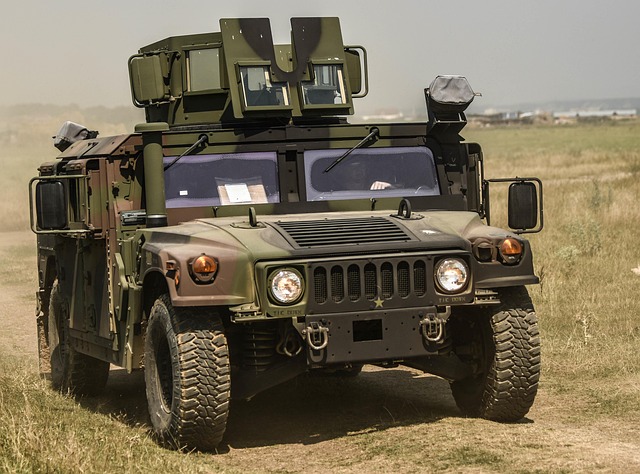
Modern select trucks are equipped with advanced features and safety systems designed to enhance performance, improve efficiency, and ensure the well-being of drivers and other road users. Among the notable innovations are collision avoidance systems, adaptive cruise control, lane departure warnings, and automatic emergency braking—all crucial elements in today’s demanding trucking landscape. These technologies not only contribute to safer operations but also play a significant role in optimizing small business logistics solutions, which is especially critical for 18-wheeler rental services, where minimizing downtime and maximizing productivity are paramount.
Top truck brands renowned for their durability recognize the importance of integrating these advanced safety features into their select trucks. For instance, leading manufacturers like Freightliner and Peterbilt have made significant strides in developing robust systems that provide real-time data and alerts to drivers. These top brands understand that combining superior craftsmanship with cutting-edge technology is essential for navigating today’s complex road environments, ensuring the longevity of vehicles, and promoting safety across all sectors of trucking.
Furthermore, as fleet managers seek efficient small business logistics solutions, they are increasingly turning to select trucks equipped with telematics and connectivity features. These systems enable real-time tracking, monitoring, and diagnostics, allowing businesses to optimize routes, reduce fuel consumption, and improve overall operational efficiency. For example, a study by the American Trucking Associations (ATA) revealed that the adoption of telematics in 18-wheeler fleets led to a 2% reduction in empty miles driven and a corresponding decrease in fuel costs. By harnessing these advanced features, small business logistics providers can stay competitive in a dynamic market while ensuring their select trucks remain reliable workhorses on the highways.
Maintenance Tips and Common Wear Parts to Consider

Maintaining a select truck fleet, whether for long distance moving companies or highway ready trucks for sale, involves understanding the common wear parts and implementing effective maintenance tips. Engine components, such as filters and spark plugs, are critical areas that require regular attention. According to industry data, proper filtration can extend engine life by reducing internal wear, while high-quality spark plugs can enhance fuel efficiency and reduce emissions. Regularly checking and replacing these parts can significantly impact the overall performance and longevity of your trucks.
Another vital aspect is the condition of brakes and tires. Brake pads and rotors are subject to intense friction, necessitating periodic inspection for signs of wear or damage. Early detection of brake issues can prevent costly repairs and ensure safe operations. Similarly, maintaining proper tire pressure and tread depth is essential for fuel efficiency and handling. Fleet tracking systems can play a pivotal role here by providing real-time data on vehicle performance, enabling proactive maintenance decisions.
When it comes to select trucks, regular fluid maintenance is equally important. Engine oil, transmission fluid, and brake fluid all require scheduled changes based on manufacturer recommendations and driving conditions. Using the right fluids specified by the vehicle manufacturer is crucial for optimal performance and longevity. Moreover, keeping a detailed service history not only facilitates fleet management but also supports insurance claims and resale value, especially when long distance moving companies are involved in regular operations.
By prioritizing these maintenance tips and regularly replacing common wear parts, fleet managers can ensure their select trucks remain highway ready and operate efficiently. This proactive approach not only minimizes downtime but also contributes to the overall cost-effectiveness of managing a fleet, particularly for businesses engaged in long distance moving and reliant on reliable transportation.
By delving into the intricacies of select truck parts catalogs, readers have gained invaluable knowledge about the fundamental components, performance enhancers, and safety features that define these versatile vehicles. Understanding the basic mechanics, such as engine types and transmission choices, equips owners to make informed decisions when selecting or maintaining their select trucks. Furthermore, insights into advanced systems like suspension and safety technologies highlight the continuous evolution of this sector, emphasizing the importance of staying abreast of innovations. The article’s practical tips on maintenance and wear parts serve as a roadmap for proactive care, ensuring these powerful machines remain reliable companions on any journey. This comprehensive guide is an authoritative resource that empowers select truck owners to navigate their vehicle choices and upkeep with confidence.