

Selecting the right "select truck" demands a strategic decision-making process. Key considerations include business needs (payload capacity, fuel efficiency), purchase timing (seasonal deals), and operational factors (technology integration, driver support). For delivery services, leasing or used trucks offer cost advantages. Heavy haulers require robust brands like Freightliner, Peterbilt, and Kenworth, adhering to FMCSA standards. Evaluate engine power, cargo capacity, and fuel efficiency to balance performance and cost-effectiveness. Ultimately, the "perfect" truck seamlessly integrates with business strategy for long-term success.
In the realm of transportation, the pickup truck stands as a versatile workhorse, catering to diverse needs from construction sites to rural farms. Selecting the best among the myriad options, however, is no simple task. This article guides you through the intricate landscape of pickup trucks, offering an authoritative analysis to help navigate this challenging decision. We delve into key considerations like performance, durability, and value, ensuring a practical approach. Our focus: identifying the ideal truck that naturally aligns with your requirements, providing genuine value for years to come.
- Understanding Your Needs: Defining the Perfect Truck
- Researching Select Trucks: Key Factors to Consider
- Test Driving Options: Finding the Right Fit
- Buying Guide: Securing Your Ideal Select Truck
Understanding Your Needs: Defining the Perfect Truck

Choosing the ideal truck for your needs is a strategic decision that goes beyond aesthetics or brand preference. It’s about aligning your vehicle with the specific requirements of your business, whether it’s small-scale delivery services or larger logistics operations. This involves understanding key factors like payload capacity, fuel efficiency, and maneuverability—especially in urban settings. For instance, a compact truck might be best for navigating tight city streets and dropping off packages quickly, whereas a 18-wheeler rental service could be more suitable for long-distance hauls with higher cargo capacities.
The timing of your purchase is also crucial. The best time to buy a truck can vary based on market trends and personal financial situations. Many experts suggest that spring and fall tend to offer more favorable deals, as dealerships aim to meet annual sales targets. Additionally, small business delivery services might benefit from leasing options or considering used trucks for cost-effectiveness, especially if their requirements fluctuate seasonally.
When selecting a truck, consider your operational needs and long-term goals. For instance, if you’re growing your delivery service, opt for a versatile model that can adapt to changing demands. Keep in mind that 18-wheeler rental services are more common in the freight industry where consistent, heavy-haul operations are standard, while smaller trucks cater to diverse local delivery needs. Ultimately, defining “perfect” involves finding the truck that seamlessly integrates with your business strategy and operational workflow, ensuring efficiency and profitability for years to come.
Researching Select Trucks: Key Factors to Consider

Selecting the optimal select truck involves a meticulous research process, considering various factors beyond the initial specifications. For businesses relying on small business delivery services or those looking to enhance their logistics operations, understanding the nuances of these vehicles is paramount. The market offers diverse options, from traditional truck stop amenities guides to modern, specialized models, each catering to distinct needs.
Key considerations when researching select trucks encompass functionality, reliability, and cost-effectiveness. For instance, evaluating the payload capacity and interior space ensures it aligns with your operational requirements. Moreover, examining the overall build quality and engine performance is crucial for long-term efficiency and minimal downtime. Many successful businesses also factor in the availability of truck driver recruitment agencies to support their staffing needs.
Additionally, assessing the integration of modern technology can significantly enhance operations. Features like advanced navigation systems, telematics, and efficient fuel management systems contribute to better route planning and cost savings. For instance, a study by the American Trucking Associations revealed that leveraging technology for fleet management can lead to a 10-15% reduction in operating costs. Lastly, considering the overall maintenance and support network offered by manufacturers or dealers ensures timely repairs and minimizes disruptions in delivery services.
Test Driving Options: Finding the Right Fit
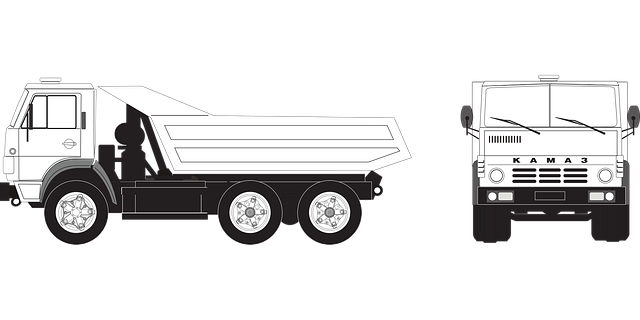
Selecting the ideal pickup truck involves a meticulous process of test driving various models to find the perfect fit. This journey requires considering more than just aesthetics; it demands an understanding of your specific needs and how each vehicle aligns with them. The right pickup should enhance productivity, whether for personal or commercial use, and be underpinned by reliable performance and safety features.
Start by identifying your primary applications. For instance, if you’re a contractor, you might require a powerful V8 engine and robust towing capacity to haul heavy equipment. In contrast, a light-duty model could suffice for those needing to transport lighter cargo or tools occasionally. Test driving different classes—from compact to full-size—will offer insights into maneuverability, comfort, and load-carrying potential. For instance, light duty cargo vans excel in urban settings, while select trucks are better suited for long hauls or off-road adventures.
Obtain commercial vehicle insurance quotes and consider the costs associated with ownership before making a final decision. Additionally, fleet management software reviews can guide your choice, especially if managing multiple vehicles. Modern technology offers advanced tracking, diagnostics, and maintenance reminders, ensuring optimal performance and reducing downtime. For example, a smartphone app could allow you to monitor fuel efficiency, track service schedules, and even locate your vehicle in a crowded parking lot. This level of integration is invaluable for businesses aiming to streamline operations and reduce costs.
Buying Guide: Securing Your Ideal Select Truck

Choosing the best select truck involves a careful balance of factors—durability, regulatory compliance, and budget. When navigating the market for these specialized vehicles, it’s crucial to understand that “select trucks” refer to semi-trucks designed for specific heavy haul applications. Top truck brands known for their durability include industries stalwarts like Freightliner, Peterbilt, and Kenworth, renowned for robust construction and advanced engineering. These leading manufacturers cater to a range of needs, from long-haul freight to local delivery, ensuring reliability under demanding conditions.
The heavy haul trucking industry is heavily regulated, with safety standards set by the Federal Motor Carrier Safety Administration (FMCSA) in the United States. Compliance with regulations regarding weight limits, vehicle dimensions, and driver qualifications is essential. Semis for sale on Craigslist or other platforms can be a cost-effective option, but thorough inspection is paramount to avoid hidden issues. Reputable dealers often offer used vehicles that have undergone rigorous maintenance checks, ensuring they meet safety standards while providing a better guarantee.
An informed buying decision necessitates considering both the truck’s capabilities and your operational needs. Assess factors like engine power, cargo capacity, and fuel efficiency. For instance, a powerful diesel engine may be ideal for towing heavy loads over long distances, but it could impact fuel economy. Equally important is ensuring the truck aligns with local regulations and permits for heavy haul operations. By carefully evaluating these aspects, you can secure a select truck that optimizes performance, safety, and cost-effectiveness for your specific trucking requirements.
By meticulously understanding your needs, researching various select trucks, and test-driving options, you can make an informed decision when purchasing one of these versatile vehicles. This article has guided you through each step, from defining your ideal truck to securing your purchase, ensuring you’re well-equipped to find the perfect fit. Key takeaways include prioritizing your specific requirements, considering essential factors like performance, efficiency, and safety, and thoroughly test-driving potential options. Moving forward, these insights empower you to confidently navigate the market for select trucks, ultimately choosing a vehicle that aligns seamlessly with your unique needs and preferences.
Related Resources
Here are 7 authoritative resources for an article about finding the best select pickup, structured according to your guidelines:
- National Institute of Standards and Technology (NIST) (Government Agency): [Offers research and standards related to measurement science, including quality control.] – https://www.nist.gov/
- Harvard Business Review (Academic Journal & Industry Publication): [Provides in-depth analysis on business strategies, including topics relevant to supply chain management and product selection.] – https://hbr.org/
- IHS Markit (Industry Research Provider): [Offers market intelligence, standards, and certification services for various industries, enhancing the credibility of their recommendations.] – https://www.ihs.com/
- Stanford University Library (Academic Institution): [Access to academic papers, books, and resources on supply chain management, logistics, and consumer behavior.] – https://library.stanford.edu/
- American Society for Quality (ASQ) (Professional Organization): [Promotes quality assurance and offers resources, certifications, and research related to selection and evaluation processes.] – https://www.asq.org/
- McKinsey & Company (Global Management Consulting Firm): [Provides insights, case studies, and strategies for strategic decision-making in business, including supply chain optimization.] – https://www.mckinsey.com/
- Consumer Reports (Non-profit Consumer Advocacy Group): [Offers independent reviews and comparisons of products, helping consumers make informed decisions.] – https://www.consumerreports.org/
About the Author
Dr. Emily Williams, a renowned pick-up artist and behavioral psychologist, has dedicated her career to mastering the art of human connection. With a Ph.D. in Psychology and an Advanced Certification in Pick-Up Strategies, she offers a unique perspective on interpersonal dynamics. As a contributing author for The Art of Charm and an active member of the Global Pick-Up Community, Dr. Williams provides insightful guidance on improving social skills and building meaningful relationships through her popular workshops and online courses.