

Understanding truck sales records is key for informed decisions in the commercial vehicle industry. By reviewing data, buyers can identify trends, evaluate durability, and compare brands based on KPIs like fuel efficiency, safety, and maintenance costs. Customized KPIs aligned with business operations ensure suitable trucks for long-haul or local delivery services. Analyzing sales volume, revenue, and customer acquisition rates helps optimize inventory and make strategic decisions in a competitive market, particularly along major routes like I-95.
“Uncover the power of your trucking business with a strategic approach to select truck sales records. This comprehensive guide explores the art of navigating through vast data to gain valuable insights. From understanding the significance of truck sales records to identifying crucial performance indicators, you’ll learn how to analyze trends and make informed decisions. Master strategies to interpret data effectively, enabling your business to optimize sales and stay ahead in the market. Discover the secrets to transforming raw numbers into actionable intelligence for your trucking empire.”
- Understanding Truck Sales Records: A Comprehensive Overview
- Selecting Key Performance Indicators for Trucks
- Strategies to Analyze and Interpret Truck Sales Data
Understanding Truck Sales Records: A Comprehensive Overview

Understanding Truck Sales Records is essential for anyone involved in the commercial vehicle industry, especially when it comes to selecting the right trucks. These records provide valuable insights into the performance, reliability, and maintenance history of heavy-duty trucks, which are integral to long-haul trucking operations. By reviewing sales data, potential buyers can make informed decisions about their fleet investments.
For instance, examining sales records can unveil trends in specific truck models, highlighting their durability and resale value. This information is crucial for businesses aiming to optimize their fleets while minimizing costs related to heavy-duty truck maintenance tips and safety concerns. Moreover, it allows individuals to compare different brands and models, considering factors like fuel efficiency, engine performance, and the overall driving experience. Utilizing these records effectively can lead to safer long-haul trucking operations and the selection of suitable truck driving schools in [location] for new or aspiring drivers.
Selecting Key Performance Indicators for Trucks

When selecting key performance indicators (KPIs) for trucks within a sales record, it’s crucial to focus on metrics that reflect both efficiency and longevity. Key KPIs might include fuel economy, which directly impacts operational costs; maintenance intervals and associated expenses, indicating vehicle reliability; and residual value, showcasing the truck’s longevity in the market, especially for used trucks for sale near me. Additionally, considering factors like payload capacity and towing power is essential for businesses relying on utility trucks for sale near me to meet specific logistical needs.
These KPIs should be tailored to align with the operations of the business buying the trucks. For instance, a company specializing in long-haul transportation would prioritize fuel efficiency and low maintenance costs, while a local delivery service might focus more on payload and responsiveness. Regularly reviewing and adjusting these KPIs ensures that sales records accurately reflect the performance and suitability of selected select trucks, facilitating informed decision-making for future purchases.
Strategies to Analyze and Interpret Truck Sales Data
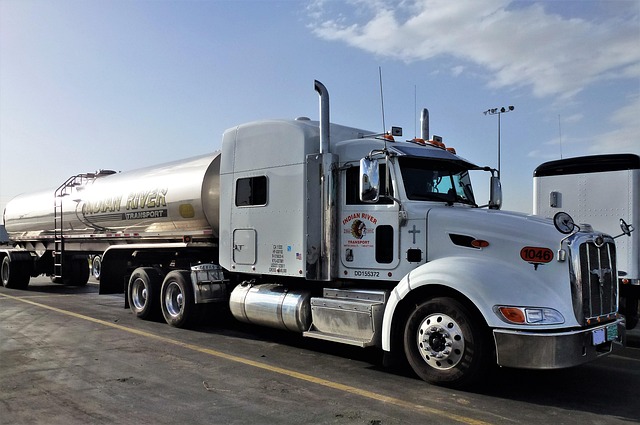
Analyzing and interpreting truck sales data is a crucial step for any business looking to make informed decisions about their fleet and operations. Start by identifying key performance indicators (KPIs) relevant to your select trucks, such as sales volume, revenue per vehicle, and customer acquisition rates. Segmenting your data by factors like model type, year, and geographical location can reveal valuable insights into which types of trucks are most popular among long distance moving companies or best suited for specific routes.
Utilize visualization tools like charts and graphs to spot trends and patterns in your sales records. For instance, comparing monthly sales figures against seasonal fluctuations can help you anticipate demand and optimize inventory. Additionally, consider creating custom reports that include detailed truck maintenance checklists based on vehicle age and mileage, ensuring the continued reliability and efficiency of your fleet. These strategies, combined with regular analysis of the best truck stops along I-95, will empower you to make strategic decisions that drive business success in the competitive trucking industry.
When it comes to making informed decisions in the trucking industry, selecting and analyzing truck sales records is a game-changer. By understanding key performance indicators (KPIs) and employing effective data analysis strategies, businesses can unlock valuable insights into their operations. This article has guided you through the process of navigating these records, from comprehending their importance to choosing relevant KPIs and interpreting data meaningfully. Now, with this knowledge, you’re equipped to make strategic choices that drive success in your truck sales endeavors.